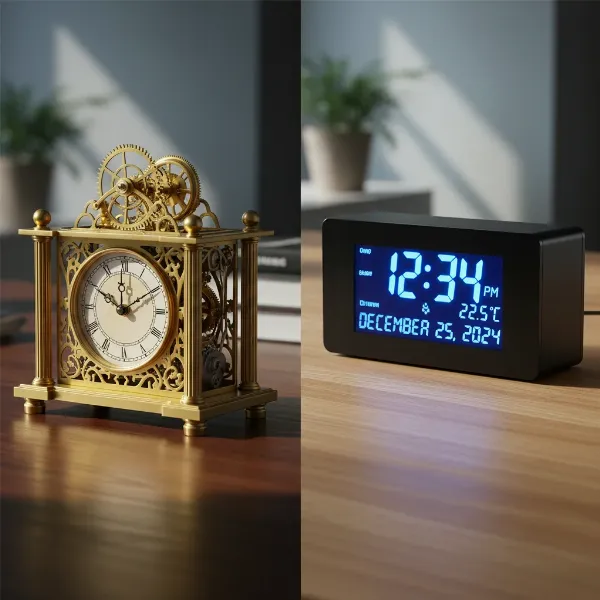
In a world filled with digital distractions, a thoughtfully chosen desk clock stands as more than just a time-telling device; it’s a statement piece, an aesthetic anchor, and a subtle contributor to the overall “vibe” of your personal or professional space. Finding the perfect desk clock can elevate your environment, encouraging focus, calm, or inspiration. Whether you seek the soothing rhythm of an analog display, the cutting-edge functionality of a smart device, or a touch of nostalgic charm, this guide will help you navigate the diverse world of desk clocks to select one that perfectly harmonizes with your needs and style. Let’s explore how to choose a timepiece that truly enhances your daily experience.
Popular Desk Clock Types
Desk clocks come in a fascinating array of designs and functionalities, each offering a distinct contribution to your workspace atmosphere. Understanding these types is the first step in finding your perfect match.
Mechanical Clocks
Mechanical desk clocks embody timeless elegance and craftsmanship, often becoming a focal point rather than a mere utility. These clocks operate through intricate gears and springs, a testament to traditional horology.
- Pros and Cons: The primary advantage of a mechanical clock is its classic appeal and the tactile satisfaction it offers. They often have a substantial feel and a decorative presence that digital clocks can’t replicate. Many appreciate the subtle ticking sound, finding it rhythmic and calming, though others might find it distracting. They can be more prone to wear and tear over time and may require occasional professional servicing to maintain accuracy.
- How They Work and Maintenance: Mechanical clocks are powered by a mainspring that unwinds, driving a series of gears and levers. Some are hand-wound, while others use a battery-powered quartz movement for greater accuracy and less maintenance, despite still being “analog” in display. To keep them running smoothly, ensure they are placed on a stable, level surface and kept free from dust. For hand-wound models, consistent winding is crucial. Avoid extreme temperatures and humidity, which can affect the internal mechanisms.
- Popular Mechanical Clock Brands: Brands like Howard Miller offer sophisticated tabletop clocks, often featuring metal or wooden cases with classic Roman numerals, providing a traditional and elegant touch. Braun Classic Analog clocks are known for their minimalist yet timeless designs, offering silent precision for an undistracted environment. Retro flip clocks from brands like Betus Retro Style and Rejea Black Flip Clock provide a unique, nostalgic charm with their visually engaging time-telling mechanism.
|
Our Picks for the Best Desk clock in 2026
As an Amazon Associate I earn from qualifying purchases.
|
||
| Num | Product | Action |
|---|---|---|
| 1 | AYRELY® 4.5" Analog Alarm Clock,Small Retro Desk Clock Battery Operated,Slient Metal Table Clock with Light for Living Room Decor,Bedroom,Bedside,Shelf (Blue) |

|
| 2 | Peakeep Large Display Digital Alarm Clock for Bedrooms, Date Day of Week Calendar Desk Table Clocks for Living Room Office, Dimmable Plug in Electric Clock, 5 Volumes, Loud, Auto DST |
|
| 3 | Netzu 3-in-1 Digital Clocks for Living Room with Temperature, Date & Time Display - 4 Levels Birghtness, 3 Volumes, Small & Compact Plug-in Alarm Clock for Bedroom, Office (Black) |
|
| 4 | Peakeep Slim Digital Mirror Aesthetic Alarm Clock for Bedrooms Desk Decor - Plug in Electric Big LED Modern Small Clock for Office Living Room, Battery Backup, 6 Dimmers (Gold) |
|
| 5 | Clock with Day and Date for Elderly, 7" Large Display Digital Calendar Day Clock with 20 Custom Alarms and Medicine Reminders, Dimmable Dementia Alzheimers Clocks for Seniors, Black (Ac Powered) |
|
| 6 | DreamSky Digital Alarm Clocks for Bedrooms - Wooden Desk Clock with Date, Day of Week, USB Port, Temperature, Dimmer for Bedside Table, Living Room, Office, Adjustable Volume, Auto DST, Wood Decor |
|
| 7 | DreamSky Wooden Digital Alarm Clock for Bedroom - Desk Clock for Living Room with Large Numbers, Dimmer, Loud Alarm for Heavy Sleepers with Volume Control, DST, Office Wood Decor (Plug in Clock) |
|
| 8 | AYRELY® 4.5" Analog Alarm Clock,Small Retro Desk Clock Battery Operated,Slient Metal Table Clock with Light for Living Room Decor,Bedroom,Bedside,Shelf (Orange-Yellow) |
|
| 9 | Sharp Digital Alarm Clock with Keyboard Style Controls, Battery Back-up, Easy to Use with Simple Operation, Black Case with Red LED Display |
|
| 10 | Amazon Basics Small Digital Oval Alarm Clock with LED Display, Nightlight, Snooze Function & Battery Backup, Black, 4.5 x 3.5 x 2.4 Inches |
|
Digital Clocks
Digital desk clocks represent the fusion of modern design and advanced technology, offering features that extend far beyond basic timekeeping. They are often characterized by sleek lines and illuminated displays.
- Pros and Cons: The main advantages of digital clocks include their precise timekeeping, often incorporating smart features, and their ability to fit seamlessly into modern, minimalist, or tech-centric workspaces. They are typically easy to read, especially with LED displays, and require minimal maintenance. However, some bright LED displays might be too intense for certain environments or sensitive eyes, and their aesthetic can feel less “warm” than a traditional analog clock.
- Smart Features: Modern digital clocks often boast a range of smart functionalities. These can include displaying the weather, offering customizable text or pixel art displays, integrated Bluetooth speakers, and even wireless charging pads for your devices. More advanced models, like smart hubs, can connect to virtual assistants (e.g., Alexa) to control other smart home devices or stream music, making them multi-functional command centers for your desk. These advanced features contribute significantly to creating a personalized and efficient vibe.
- Popular Digital Clock Brands: For innovative pixel art and sound features, Divoom offers creative LED tabletop clocks that can display custom images and act as Bluetooth speakers. Sharper Image provides unique LED word clocks that tell time using illuminated phrases instead of numbers, offering a distinctive aesthetic. Smart desk clocks like the Echo Dot with Smart Speaker or the LaMetric Time integrate timekeeping with smart home functionality, app notifications, and customizable displays, making them popular choices for tech enthusiasts and gamers.
Alarm Clocks
While many desk clocks include an alarm function, dedicated alarm clocks prioritize your wake-up experience, often incorporating features designed for a gentler start to the day.
- Pros and Cons: Dedicated alarm clocks offer the benefit of a phone-free wake-up experience, helping to keep your mobile device out of the bedroom and reduce nighttime screen time. Many come with snooze functions and can be highly customizable. Basic models might have limited features beyond an alarm, but more advanced luxury alarm clocks integrate wellness functionalities.
- Types of Alarm Tones: Beyond the traditional harsh buzzer, modern alarm clocks offer a variety of wake-up options. These can include gradually increasing melodies, nature sounds, white noise, gentle chimes, or even simulated sunrise lights that slowly brighten your room to mimic natural dawn. Some smart alarm clocks act as sound machines, providing a range of calming sounds for sleep and gentle alarms for waking.
- Choosing the Right Alarm Clock: When selecting an alarm clock, consider your sleep habits and desired wake-up style. If you prefer a gentle awakening, look for models with sunrise simulation or progressive sound alarms. If a phone-free routine is crucial, choose a standalone unit with all the necessary features. Aesthetics also play a role, as a luxury alarm clock can serve as a stylish bedside or desk accessory.
Desk Clock Buying Guide
Selecting the ideal desk clock involves more than just picking one that tells time; it requires a thoughtful assessment of your environment and personal preferences to create the perfect vibe.
Determine Your Needs
Before diving into styles and features, clarify what you truly need from your desk clock.
- Purpose of Use: Is it purely for telling time, or do you need additional features like an alarm, temperature display, wireless charging, or smart home integration? The primary function will guide your choices.
- Placement of the Clock: Consider where the clock will sit on your desk. Does it need to be compact for a crowded space, or can it be a larger, more prominent piece? The scale and proportion should complement your existing setup.
- Budget: Desk clocks range widely in price, from affordable digital models to luxury mechanical pieces. Establishing a budget early will help narrow down your options and ensure you find a high-quality clock within your means.
Choose the Right Clock Type
The type of clock you choose should align with your aesthetic preferences and the atmosphere you wish to cultivate.
- Style: Does your workspace lean modern, traditional, minimalist, industrial, or eclectic? A wooden clock beautifully complements traditional spaces, while metal or glass designs suit modern, sleek aesthetics. Minimalist clocks often feature simple dials and clean lines, perfect for uncluttered desks. Retro flip clocks can add a touch of personality and nostalgia to any setup.
- Material: The material contributes significantly to the clock’s perceived quality and visual impact. Common materials include wood (for warmth and classic appeal), metal (for a contemporary or industrial look), glass (for elegance and light play), and various plastics (often found in colorful or highly functional digital models).
- Features: Beyond time, consider what additional features enhance your daily routine. Do you need a silent sweep movement to avoid distractions? Would a built-in thermometer or humidity sensor be useful? Perhaps a USB charging port or a smart display for notifications would boost your productivity and convenience.
Compare Prices and Purchase
Once you have a clear idea of the type and features you want, it’s time to make an informed purchase.
- Find Reputable Stores: Purchase from well-known retailers, specialized clock shops, or reputable online vendors. This ensures authenticity, good customer service, and access to warranties.
- Compare Prices: Research similar models across different sellers to ensure you’re getting a competitive price. Be wary of deals that seem too good to be true, especially for high-end or branded clocks.
- Check Product Quality: Look for reviews regarding durability, accuracy, and material quality. For mechanical clocks, check the movement type; for digital, assess display clarity and ease of use. A silent movement is a valuable quality for any desk clock aimed at creating a peaceful environment.
Comparison Table of Popular Desk Clocks
| Brand | Model | Pros | Cons | Estimated Price |
|---|---|---|---|---|
| Howard Miller | Ambassador Table Clock | Elegant metal design, precise quartz movement, silent | Primarily decorative, no smart features | $100 – $250 |
| Divoom | Tivoo Max | Pixel art display, Bluetooth speaker, smart features | Screen can be bright, app dependent | $150 – $200 |
| Braun | Classic Travel Analog | Minimalist aesthetic, quiet, compact, durable | Basic functions only, no alarm on some models | $30 – $60 |
| Hatch | Restore 3 | Sleep sounds, sunrise alarm, guided meditations | Higher price point, app integration for full features | $180 – $230 |
| LaMetric | Time Smart Clock | Customizable display, apps for notifications, Spotify | Small screen, premium price | $200 – $250 |
Tips for Using and Maintaining Your Desk Clock
Proper care ensures your desk clock remains a reliable and aesthetically pleasing part of your workspace for years to come.
Proper Clock Cleaning
Regular and gentle cleaning will preserve your clock’s appearance and functionality.
- Basic Cleaning Steps: Start by dusting the clock regularly with a soft, lint-free cloth or a feather duster to prevent buildup. For glass surfaces, use a specialized glass cleaner sprayed onto a cloth, not directly onto the clock, to avoid liquid seeping into the mechanism.
- Appropriate Cleaning Solutions: For wooden clocks, a furniture polish can restore its luster. Metal clocks can be cleaned with a slightly damp cloth and then buffed dry. Avoid abrasive cleaners or harsh chemicals, which can damage finishes or delicate components. Always consult the manufacturer’s instructions for specific cleaning recommendations.
Storing the Clock When Not in Use
If you plan to store your desk clock for an extended period, follow these guidelines to protect it.
- Avoid Direct Sunlight: Prolonged exposure to direct sunlight can fade finishes, particularly on wooden clocks, and can also affect the internal components.
- Keep Away from Humidity: High humidity can cause corrosion in mechanical parts and warp wooden cases. Store your clock in a dry, stable environment, ideally at room temperature.
- Place in a Safe Location: Store the clock in its original packaging or a padded box to protect it from dust, impacts, and accidental damage. For battery-powered clocks, remove the batteries before storage to prevent leakage and potential damage to the battery compartment.
“A desk clock is more than just a time-telling device; it’s a silent guardian of your daily rhythm, capable of transforming an ordinary desk into a sanctuary of style and productivity.” – Admin, reviewspdv.com
Conclusion
Choosing the best desk clock for creating the perfect vibes in your workspace is a journey that blends personal style with practical needs. From the nostalgic appeal of a mechanical flip clock to the sleek functionality of a smart digital display, each type offers unique advantages. By considering your aesthetic preferences, desired features, and the overall ambiance you wish to cultivate, you can select a timepiece that not only keeps you punctual but also serves as an inspiring and harmonious element of your daily environment. Remember that the right desk clock doesn’t just tell time; it defines the essence of your space. What kind of ambiance will your next desk clock help you create?
Frequently Asked Questions
What features make a desk clock “aesthetic”?
Aesthetic desk clocks typically feature clean lines, high-quality materials like wood, metal, or glass, and a design that complements your existing decor. They prioritize visual appeal and often minimalist or unique styles over complex functionalities.
Can a desk clock help reduce screen time?
Yes, a dedicated physical desk clock allows you to check the time without needing to pick up your smartphone or open your computer, thereby reducing potential distractions from notifications and helping you stay focused on your tasks.
Are silent desk clocks always digital?
No, while many digital clocks are silent, many analog desk clocks, especially those with quartz movements, also feature a “silent sweep” second hand, meaning they operate without the traditional ticking sound, making them ideal for quiet environments.
How important is the material of a desk clock?
The material of a desk clock is very important as it dictates its durability, feel, and how it integrates with your room’s decor. Wood offers warmth, metal provides a modern edge, and glass adds elegance, each contributing distinctly to the overall vibe.
What is a “smart” desk clock?
A smart desk clock is a digital timepiece equipped with additional connectivity and features beyond basic time display, such as integrated virtual assistants, weather updates, customizable displays, smart home control, or wireless charging capabilities.
How do I maintain the accuracy of a mechanical desk clock?
To maintain the accuracy of a mechanical desk clock, ensure it is placed on a stable, level surface, keep it away from strong magnetic fields, and for hand-wound models, wind it consistently. Regular professional servicing can also help ensure its precision over time.