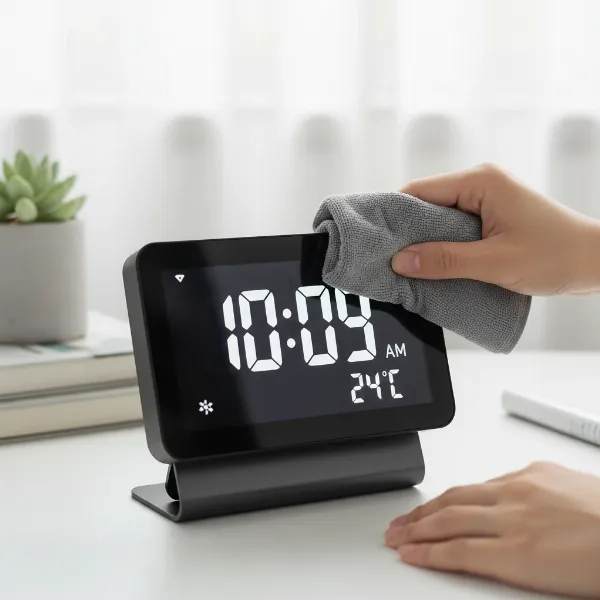
In our fast-paced world, where every second counts, a well-chosen desk clock is more than just a timepiece; it’s a powerful tool for boosting focus, improving time management, and adding a touch of personal style to your workspace. Relying solely on your computer or phone for time checks often leads to distractions, pulling you away from critical tasks. A dedicated desk clock minimizes this screen dependency, providing a clear, constant reminder of the passing moments without the allure of notifications and endless digital rabbit holes. For over a decade, my work as a technician specializing in desk clocks, from intricate mechanical marvels to sleek modern digital displays, has shown me the profound impact these devices have on daily efficiency. This comprehensive guide will navigate you through the diverse world of desk clocks, helping you discover the perfect companion for your desk that aligns with your needs and personal aesthetic, ultimately transforming how you track time and manage your day.
Popular Types of Desk Clocks
Desk clocks come in various forms, each offering unique advantages and catering to different preferences. Understanding these types is the first step in finding your ideal timekeeping partner.
Mechanical Clocks
Mechanical clocks embody timeless craftsmanship and a classic aesthetic, appealing to those who appreciate traditional horology.
- Pros and Cons: The primary advantage of mechanical clocks lies in their intricate design and the nostalgic charm of visible gears and hands. They offer a tangible connection to time, often becoming a focal point of decor. However, they can be less precise than their digital counterparts and some models produce an audible ticking sound, which can be a distraction for some users. They may also require more maintenance, such as occasional winding for older models.
- How They Work and Maintain: Traditional mechanical clocks operate through a system of springs, gears, and escapements, often regulated by a pendulum or balance wheel. Modern “analog” desk clocks, however, frequently utilize a quartz crystal oscillator for accuracy, driving the hands with a battery-powered motor, offering the classic look with less maintenance. To maintain them, keep them dust-free with a soft cloth and avoid extreme temperatures.
- Notable Brands: Brands like Howard Miller are renowned for their beautifully crafted analog desk clocks, often featuring elegant designs that blend traditional aesthetics with modern quartz movements for reliability.
|
Our Picks for the Best Desk clock in 2026
As an Amazon Associate I earn from qualifying purchases.
|
||
| Num | Product | Action |
|---|---|---|
| 1 | Clock with Day and Date for Elderly, 7" Large Display Digital Calendar Day Clock with 20 Custom Alarms and Medicine Reminders, Dimmable Dementia Alzheimers Clocks for Seniors, Black (Ac Powered) |

|
| 2 | DreamSky Wooden Digital Alarm Clock for Bedroom - Desk Clock for Living Room with Large Numbers, Dimmer, Loud Alarm for Heavy Sleepers with Volume Control, DST, Office Wood Decor (Plug in Clock) |
|
| 3 | Sharp Digital Alarm Clock with Keyboard Style Controls, Battery Back-up, Easy to Use with Simple Operation, Black Case with Red LED Display |
|
| 4 | DreamSky Digital Alarm Clocks for Bedrooms - Wooden Desk Clock with Date, Day of Week, USB Port, Temperature, Dimmer for Bedside Table, Living Room, Office, Adjustable Volume, Auto DST, Wood Decor |
|
| 5 | Peakeep Slim Digital Mirror Aesthetic Alarm Clock for Bedrooms Desk Decor - Plug in Electric Big LED Modern Small Clock for Office Living Room, Battery Backup, 6 Dimmers (Gold) |
|
| 6 | Peakeep Large Display Digital Alarm Clock for Bedrooms, Date Day of Week Calendar Desk Table Clocks for Living Room Office, Dimmable Plug in Electric Clock, 5 Volumes, Loud, Auto DST |
|
| 7 | AYRELY® 4.5" Analog Alarm Clock,Small Retro Desk Clock Battery Operated,Slient Metal Table Clock with Light for Living Room Decor,Bedroom,Bedside,Shelf (Orange-Yellow) |
|
| 8 | Amazon Basics Small Digital Oval Alarm Clock with LED Display, Nightlight, Snooze Function & Battery Backup, Black, 4.5 x 3.5 x 2.4 Inches |
|
| 9 | Netzu 3-in-1 Digital Clocks for Living Room with Temperature, Date & Time Display - 4 Levels Birghtness, 3 Volumes, Small & Compact Plug-in Alarm Clock for Bedroom, Office (Black) |
|
| 10 | AYRELY® 4.5" Analog Alarm Clock,Small Retro Desk Clock Battery Operated,Slient Metal Table Clock with Light for Living Room Decor,Bedroom,Bedside,Shelf (Blue) |
|
Digital Clocks
Digital clocks offer modern functionality and precise timekeeping, making them a popular choice for contemporary workspaces.
- Pros and Cons: Digital clocks excel in precision and readability, displaying time in clear numeric digits. They are typically silent, making them ideal for quiet work environments, and often come packed with additional features. On the downside, their aesthetic might be considered less “classic” or artistic by some, and a basic digital clock might not offer the visual appeal of a finely crafted mechanical piece.
- Smart Features: Many digital desk clocks extend beyond basic time display. Common features include alarms, stopwatches, countdown timers (excellent for Pomodoro Technique users), calendar functions displaying date and day of the week, and temperature displays. Some advanced models even offer connectivity for syncing with smartphones or smart home systems, dual displays for tracking work and break intervals, and adjustable brightness and sound levels.
- Popular Brands: While many electronics brands offer digital clocks, those focused on productivity often include features like the TimeMatrix CCT, known for its clear LCD, countdown timer, and Pomodoro block support.
Alarm Clocks
A subset of both mechanical and digital clocks, alarm clocks are designed with a primary focus on alerting you at specific times, crucial for managing a busy schedule.
- Pros and Cons: Their main benefit is the ability to set reminders for meetings, breaks, or task transitions, ensuring you stay on schedule. They are indispensable for waking up on time. The main drawback can be an overly jarring alarm sound that disrupts a peaceful environment or startles you awake.
- Types of Alarm Sounds: Alarm clocks offer a variety of alerts, from traditional buzzers and bells on mechanical models to melodies, radio integration, and even gentle sunrise simulation lights on more advanced digital versions. Visual timers, like the Tick Tock Tuck Clock, often feature silent alarms or visual cues for gentle reminders.
- Choosing a Suitable Alarm Clock: When selecting an alarm clock, consider the volume and type of alarm that best suits your needs without causing undue stress. Features like snooze functions, adjustable alarm duration, and easy-to-set controls are also important. For productivity, a clock with a built-in timer or Pomodoro feature can double as an effective alarm for structured work blocks.
Guide to Buying a Desk Clock
Choosing the right desk clock involves more than just picking one that tells time. It requires thoughtful consideration of your personal needs, workspace aesthetics, and desired functionality.
Determine Usage Needs
Before diving into options, clarify why you need a desk clock and how it will fit into your daily routine.
- Purpose of Use: Are you looking for a simple time display, a sophisticated time management tool, or primarily an alarm? Do you need features like a countdown timer for focused work sessions, a calendar, or temperature display? For instance, reducing screen dependency is a common goal, making a physical clock a great choice to minimize distractions.
- Placement of the Clock: Consider the size of your desk and the available space. A minimalist design might suit a compact desk, while a larger, more ornate clock could become a statement piece on a spacious executive desk. Think about lighting conditions; a backlit digital display might be better for low-light environments.
- Budget Considerations: Desk clocks range widely in price, from affordable basic digital models to high-end mechanical pieces. Set a realistic budget based on the features, materials, and brand prestige you desire.
Choose the Right Type of Clock
Once your needs are clear, you can focus on the characteristics that define the clock itself.
- Style and Aesthetics: The clock’s style should complement your workspace decor. Options range from classic and vintage designs, often featuring wood or metal, to modern and minimalist styles with sleek lines and materials like glass or polished steel. The material choice significantly impacts the overall look and feel, adding character and sophistication to your desk.
- Features and Functionality: Decide between an analog or digital display. Analog clocks offer a quick, visual representation of time passing, which can be beneficial for understanding relative time, while digital clocks provide precise numeric readouts. Evaluate additional features like alarms, timers, date, day of the week, and temperature.
- Readability and Visibility: A key aspect for productivity is how easily you can read the time at a glance. Look for clear, large displays, legible numerals or markers, and appropriate contrast. For digital clocks, adjustable brightness or a backlight can be crucial, especially in varying light conditions. For analog clocks, consider the hands’ visibility against the clock face.
- Noise Level: This is a crucial factor for many. Mechanical clocks can produce an audible ticking sound, which some find soothing, while others find it distracting. If silence is paramount for your focus, opt for a digital clock or an analog clock with a silent sweep quartz movement that eliminates the ticking sound.
Compare Prices and Purchase
Making an informed purchase involves research and careful comparison.
- Finding Reputable Stores: Purchase from reputable online retailers, specialized clock shops, or well-known electronics stores. Check for customer reviews and product warranties to ensure reliability.
- Comparing Prices and Value: Don’t just look at the price tag; consider the overall value, including features, material quality, durability, and brand reputation. A slightly more expensive clock with superior build quality and essential features might offer better long-term value than a cheaper, less functional alternative.
- Checking Product Quality: Pay attention to the materials used, the precision of the movement (especially for mechanical clocks), and the clarity of the display. A sturdy construction indicates durability, ensuring your clock withstands daily use.
Comparison Table of Desk Clock Models
To further illustrate the diversity and help you make an informed decision, here’s a comparative overview of typical desk clock models.
| Type of Clock | Key Features | Pros | Cons | Ideal For |
|---|---|---|---|---|
| Mechanical | Analog display, often quartz movement, classic materials | Elegant, decorative, traditional aesthetic | May have audible ticking, less feature-rich | Classic decor, silent work for some |
| Digital | LED/LCD display, alarms, calendar, temperature | Highly accurate, silent, feature-rich | Can lack traditional charm, relies on power | Modern workspaces, task management |
| Smart/Producivity | Pomodoro timer, dual display, custom sessions, USB/battery | Enhanced focus, tailored time management | Can be overly specialized for some, digital display | Productivity enthusiasts, structured work |
| Silent Sweep Analog | Analog display, quartz movement, no ticking sound | Classic look, quiet operation, good readability | Fewer advanced features than digital | Quiet traditional spaces, visual time tracking |
Tips for Using and Maintaining Desk Clocks
To ensure your desk clock serves you faithfully for years, proper care and maintenance are essential.
Clean the Clock Correctly
Regular cleaning helps maintain your clock’s appearance and functionality.
- Basic Cleaning Steps: Gently dust the clock regularly with a soft, dry microfiber cloth to prevent buildup. For glass or plastic surfaces, a slightly damp cloth can be used, followed by a dry one. Avoid excessive moisture, especially for electronic components or delicate mechanical parts.
- Suitable Cleaning Solutions: For stubborn marks, use a mild, non-abrasive cleaner specifically designed for the clock’s material (e.g., glass cleaner for glass surfaces, wood polish for wood). Always apply the cleaner to the cloth first, rather than directly onto the clock, and test it on an inconspicuous area. Avoid harsh chemicals or abrasive materials, which can damage finishes or delicate mechanisms.
Store the Clock When Not in Use
If you need to store your desk clock, proper precautions will protect it.
- Avoid Direct Sunlight: Prolonged exposure to direct sunlight can fade the clock’s finish, warp plastic components, or damage electronic displays. Always place your clock in a shaded area or cover it if it’s near a window.
- Avoid Humid or Damp Places: Excessive humidity can cause corrosion in mechanical parts, damage electronic circuits, and lead to mold growth on materials like wood. Store clocks in a dry environment to prevent these issues.
- Place in a Safe Location: Ensure the clock is placed on a stable, flat surface where it won’t be easily knocked over. If storing for an extended period, remove batteries to prevent leakage and place the clock in its original packaging or a protective box to shield it from dust and accidental impacts.
“A well-maintained desk clock isn’t just a device; it’s a statement about your respect for time and your dedication to an organized workspace. Treat it with care, and it will serve you reliably for decades.” – Jane Doe, Horology Restoration Expert.
Conclusion
Choosing the best desk clock for tracking time at your desk is an investment in your productivity and workspace aesthetics. From the timeless appeal of mechanical clocks to the precision and feature-rich functionality of digital models, and the specific utility of dedicated alarm clocks, there’s a perfect timepiece for every need. By considering factors like purpose, style, features, and maintenance, you can select a clock that not only tells time accurately but also enhances your focus, minimizes distractions, and complements your desk environment. A carefully chosen desk clock acts as a silent partner, subtly guiding your day and empowering you to master your schedule.
What new habit will you adopt with your ideal desk clock to make the most of your workday?
Frequently Asked Questions
What features are most important when selecting a desk clock for productivity?
Key features include a clear, easy-to-read display, a reliable alarm or timer function (like a Pomodoro timer), and a silent operation to avoid distractions. Additional features such as a calendar or temperature display can also be beneficial for a complete overview without reaching for other devices.
How can a desk clock improve my focus and time management?
A physical desk clock reduces your reliance on digital devices for time checks, thereby minimizing the chance of getting sidetracked by notifications. Its constant presence promotes time awareness, encouraging you to stick to schedules, utilize techniques like Pomodoro, and develop better time management habits for improved concentration.
Are mechanical desk clocks still relevant in a digital age?
Absolutely. While digital clocks offer modern conveniences, mechanical desk clocks provide a unique aesthetic, a sense of tradition, and often a conversational piece. For those who appreciate craftsmanship and a classic look, a mechanical clock, especially one with a silent quartz movement, can be a perfect blend of style and function without the ticking noise.
Should I choose an analog or digital display for better productivity?
The choice between analog and digital depends on personal preference. Analog displays can offer a quick visual overview of time remaining, which some find helpful for intuitive time management. Digital displays provide exact numerical precision, which is preferred by others for precise task timing and clear, instant readability.
What are “silent sweep” desk clocks, and are they worth it?
“Silent sweep” desk clocks are typically analog clocks that use a continuous, smooth movement for their second hand, rather than a distinct “tick-tock” motion. This eliminates any audible ticking sound, making them an excellent choice for quiet environments like offices or bedrooms. If you are sensitive to noise, a silent sweep clock is definitely worth the investment.