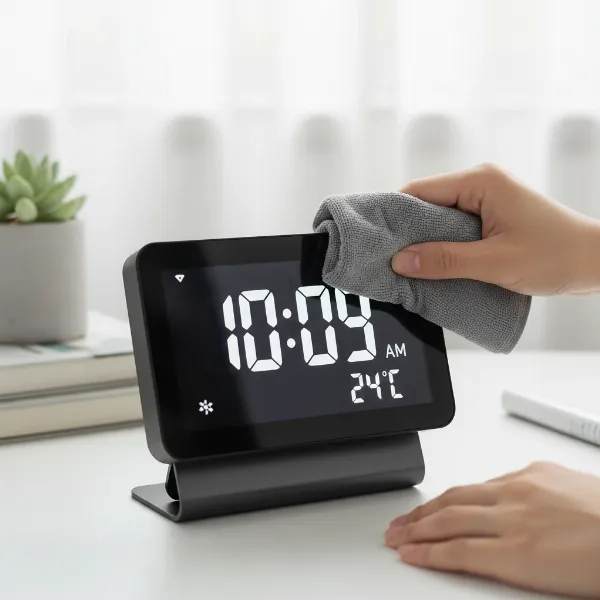
Selecting the perfect timepiece for your home or office involves more than just telling time; it’s about making a statement, enhancing your decor, and finding a functional piece that fits your lifestyle. Whether you’re drawn to the compact elegance of a desk clock or the commanding presence of a mantle clock, each brings its unique charm and utility. For over a decade, my work as a clock technician has immersed me in the intricate world of these time-keeping marvels, from vintage mechanical pieces to cutting-edge digital models. This guide will help you navigate the nuances, empowering you to make an informed decision and find the clock that truly resonates with your needs and aesthetic.
Understanding Desk Clocks and Mantle Clocks
Desk clocks and mantle clocks serve different purposes and offer distinct aesthetic qualities, each designed to complement specific spaces and preferences. While both are stationary timepieces, their size, typical placement, and historical context vary significantly. Understanding these fundamental differences is key to appreciating their unique appeals and choosing the right clock for your environment.
Desk Clocks: Compact Elegance and Functionality
Desk clocks are generally smaller, more portable timepieces designed to sit on a desk, nightstand, shelf, or any small surface. Their primary function often extends beyond mere time-telling to include features like alarms, thermometers, or perpetual calendars, making them highly practical companions for personal workspaces or bedrooms. They embody a blend of discreet functionality and stylish accentuation.
- Advantages and Disadvantages: Desk clocks shine in their versatility and space-saving design. They are ideal for smaller areas, offer focused utility, and come in a vast array of styles, from minimalist digital to classic analog. Their main drawback can be their smaller scale, which might make them less impactful as a central decorative piece in larger rooms, and some highly intricate mechanical versions may require delicate handling.
- Mechanism and Maintenance: Desk clocks can be mechanical, quartz (battery-operated), or digital. Mechanical desk clocks require regular winding and occasional professional servicing, much like their larger counterparts. Quartz clocks are low-maintenance, needing only battery replacements. Digital clocks, often powered by batteries or an AC adapter, offer modern features with minimal upkeep. Cleaning involves a soft, dry cloth for the exterior and avoiding harsh chemicals that could damage finishes or displays.
- Popular Desk Clock Brands: Brands like Seiko, Bulova, and Howard Miller offer a wide range of desk clocks known for their reliability and diverse designs. For luxury mechanical options, Cartier and Jaeger-LeCoultre craft exquisite desk timepieces that are also collector’s items. Digital options from brands like La Crosse Technology focus on practical features and modern aesthetics.
|
Our Picks for the Best Desk clock in 2026
As an Amazon Associate I earn from qualifying purchases.
|
||
| Num | Product | Action |
|---|---|---|
| 1 | Amazon Basics Small Digital Oval Alarm Clock with LED Display, Nightlight, Snooze Function & Battery Backup, Black, 4.5 x 3.5 x 2.4 Inches |

|
| 2 | DreamSky Digital Alarm Clocks for Bedrooms - Wooden Desk Clock with Date, Day of Week, USB Port, Temperature, Dimmer for Bedside Table, Living Room, Office, Adjustable Volume, Auto DST, Wood Decor |
|
| 3 | AYRELY® 4.5" Analog Alarm Clock,Small Retro Desk Clock Battery Operated,Slient Metal Table Clock with Light for Living Room Decor,Bedroom,Bedside,Shelf (Blue) |
|
| 4 | Peakeep Slim Digital Mirror Aesthetic Alarm Clock for Bedrooms Desk Decor - Plug in Electric Big LED Modern Small Clock for Office Living Room, Battery Backup, 6 Dimmers (Gold) |
|
| 5 | AYRELY® 4.5" Analog Alarm Clock,Small Retro Desk Clock Battery Operated,Slient Metal Table Clock with Light for Living Room Decor,Bedroom,Bedside,Shelf (Orange-Yellow) |
|
| 6 | DreamSky Wooden Digital Alarm Clock for Bedroom - Desk Clock for Living Room with Large Numbers, Dimmer, Loud Alarm for Heavy Sleepers with Volume Control, DST, Office Wood Decor (Plug in Clock) |
|
| 7 | Netzu 3-in-1 Digital Clocks for Living Room with Temperature, Date & Time Display - 4 Levels Birghtness, 3 Volumes, Small & Compact Plug-in Alarm Clock for Bedroom, Office (Black) |
|
| 8 | Peakeep Large Display Digital Alarm Clock for Bedrooms, Date Day of Week Calendar Desk Table Clocks for Living Room Office, Dimmable Plug in Electric Clock, 5 Volumes, Loud, Auto DST |
|
| 9 | Sharp Digital Alarm Clock with Keyboard Style Controls, Battery Back-up, Easy to Use with Simple Operation, Black Case with Red LED Display |
|
| 10 | Clock with Day and Date for Elderly, 7" Large Display Digital Calendar Day Clock with 20 Custom Alarms and Medicine Reminders, Dimmable Dementia Alzheimers Clocks for Seniors, Black (Ac Powered) |
|
Mantle Clocks: Timeless Grandeur and Heritage
Mantle clocks, as their name suggests, are traditionally placed on a fireplace mantle, but they also adorn bookshelves, sideboards, or console tables. These clocks are typically larger and more substantial than desk clocks, often designed as prominent decorative elements in a room. Many mantle clocks feature intricate designs, chimes, and a classic aesthetic that evokes a sense of history and sophistication.
- Advantages and Disadvantages: Mantle clocks excel at being a focal point, adding a touch of classic elegance and often a comforting hourly chime to a living space. Their larger size allows for more elaborate craftsmanship and a commanding presence. However, their size can be a disadvantage in very small rooms, and their aesthetic, often traditional, might not suit ultra-modern decor without careful selection. Many mechanical mantle clocks also require regular winding and professional care.
- Mechanism and Maintenance: Most traditional mantle clocks are mechanical, featuring a pendulum and chimes that strike on the hour or half-hour. These require regular winding (daily or weekly, depending on the movement) and benefit from professional cleaning and oiling every few years to ensure longevity and accuracy. Quartz mantle clocks offer the traditional look with battery-powered convenience and accuracy, requiring minimal maintenance.
- Popular Mantle Clock Brands: Ridgeway, Kieninger, and Hermle are renowned for their quality mechanical mantle clocks, often featuring beautiful wood casings and melodious chimes. Bulova and Howard Miller also offer a variety of mantle clocks, including quartz movements, providing options across different price points and styles.
[image-1|classic-mantle-clock-fireplace|A classic mechanical mantle clock made of rich dark wood, with a brass dial, placed elegantly on a rustic stone fireplace mantle in a warm, inviting living room. The clock showcases intricate carvings and a vintage charm, illuminated by soft ambient light.|
A highly detailed classic mechanical mantle clock, made from deep cherry wood, featuring an ornate brass dial with Roman numerals. It is positioned centrally on a rustic, aged stone fireplace mantle in a cozy living room. The background includes a gentle fire glowing in the hearth, with soft, warm lighting casting subtle shadows on the clock’s intricate carvings. The style is realistic and inviting, capturing the essence of a traditional home environment.]
Guiding Your Purchase: Desk Clock vs. Mantle Clock
Choosing between a desk clock and a mantle clock involves careful consideration of your specific needs, the intended placement, and your personal style. It’s an investment in both functionality and aesthetics, so taking the time to assess these factors will ensure your chosen timepiece brings lasting satisfaction.
Defining Your Usage Needs
Before diving into styles and features, clearly outline what you need the clock to do and where it will live. This initial step helps narrow down the vast options available and ensures your purchase is practical.
- Purpose: Are you looking for a simple time-teller, or do you need additional functions like an alarm, date display, or temperature reading? For focused utility in a workspace or bedroom, a feature-rich desk clock might be ideal. If the primary goal is a decorative statement with the added benefit of time, a mantle clock excels.
- Placement: Consider the size and characteristics of the surface where the clock will reside. A small nightstand demands a compact desk clock, while a grand fireplace mantle can accommodate a substantial mantle clock. Ensure the clock’s scale is appropriate for its surroundings, neither dwarfing nor being dwarfed by other elements.
- Budget: Clock prices vary widely based on craftsmanship, brand, movement type, and materials. Set a realistic budget beforehand to help guide your search. Mechanical clocks, especially those with intricate movements or premium materials, tend to be more expensive than quartz or digital options.
Selecting the Right Clock Type
Once your needs are defined, you can focus on the aesthetic and functional characteristics that align with your vision. This involves looking at the clock’s visual appeal, the materials it’s made from, and any specific functionalities.
- Style: Do you prefer a modern, minimalist design, a vintage art deco look, or a classic, traditional aesthetic? Desk clocks offer immense variety, from sleek metal and glass to rustic wood. Mantle clocks often lean towards traditional styles, featuring rich woods, intricate carvings, and sometimes glass domes. Match the clock’s style to your room’s existing decor for a harmonious look.
- Material: Materials impact both the look and durability of a clock. Common options include wood (cherry, oak, mahogany), metal (brass, chrome, brushed steel), glass, and plastic. Higher quality materials often indicate better craftsmanship and longevity. Wood clocks offer warmth, metal clocks provide a contemporary edge, and glass clocks can appear delicate and elegant.
- Features: Beyond telling time, consider if alarms, chimes, silent sweep hands (for noise-sensitive environments), nightlights, or calendar displays are important to you. Mechanical mantle clocks often feature melodic chimes, which can be a charming addition to a living room, but some may prefer a silent mechanism for a bedroom or office.
Price Comparison and Purchase
After identifying your ideal clock, the next step is to find reputable sellers and compare prices to ensure you’re getting good value. Quality and authenticity are paramount, especially when investing in a more expensive timepiece.
- Reputable Retailers: Purchase from authorized dealers, reputable clock shops, or well-known online retailers specializing in clocks. This ensures you receive a genuine product and often comes with a warranty. Avoid unverified sellers, especially for antique or high-value mechanical clocks.
- Price Comparison: Don’t hesitate to compare prices across different vendors. However, be wary of deals that seem too good to be true, as they might indicate a counterfeit or low-quality item. Consider the overall value, including warranty, customer service, and return policies, not just the sticker price.
- Product Inspection: If possible, inspect the clock in person before purchasing. Check for any damage, ensure the mechanism (if mechanical) is running smoothly, and listen to any chimes. For online purchases, carefully review product descriptions, images, and customer reviews.
[image-2|modern-desk-clock-office|A sleek, modern digital desk clock with a minimalist design, displaying time and temperature, positioned on a clean, light-colored wooden desk in a contemporary home office. The clock blends seamlessly with a laptop and a small plant, conveying a sense of order and modern efficiency.|
A minimalist, sleek digital desk clock with a matte black finish and a clear LED display showing the time and room temperature. It is placed on a light oak wooden desk in a brightly lit, contemporary home office. A silver laptop and a small potted succulent are visible nearby, creating a clean and productive atmosphere. The lighting is soft and even, highlighting the clock’s modern design.]
Comparative Overview: Desk vs. Mantle Clocks
Here’s a quick comparison to highlight the typical characteristics and considerations for each type of clock, helping you visualize their differences side-by-side.
| Feature | Desk Clock | Mantle Clock |
|---|---|---|
| Size | Small to medium (typically 4-12 inches) | Medium to large (typically 8-24 inches) |
| Primary Placement | Desk, nightstand, shelf, small table | Fireplace mantle, sideboard, console table |
| Aesthetic Impact | Accent piece, functional decor | Focal point, statement piece |
| Common Styles | Modern, minimalist, vintage, digital | Traditional, classic, antique-inspired |
| Portability | High | Low |
| Typical Features | Alarm, calendar, thermometer, silent sweep | Chimes (hourly/half-hourly), pendulum |
| Maintenance | Low (quartz/digital) to moderate (mechanical) | Moderate to high (mechanical) / Low (quartz) |
| Approx. Price Range | $20 – $500 (standard), up to $1000+ (luxury) | $100 – $1000 (standard), up to $5000+ (luxury) |
“The choice between a desk and a mantle clock often comes down to the narrative you want your space to tell. A desk clock is your personal, efficient time-teller, while a mantle clock is the grand storyteller of the room.” – Dr. Eleanor Vance, Chrono-Historian and Design Consultant
Tips for Using and Maintaining Your Clock
Proper care and maintenance are essential for extending the life and preserving the beauty of your desk or mantle clock, regardless of its mechanism. A well-maintained clock not only looks better but also keeps time more accurately.
Correct Cleaning Procedures
Regular cleaning keeps your clock looking pristine and prevents dust and grime from affecting its delicate mechanisms. Always use gentle methods and appropriate cleaning agents.
- Basic Cleaning Steps:
- Dust Regularly: Use a soft, lint-free cloth or a feather duster to gently wipe the exterior surfaces of your clock at least once a week. For intricate carvings or details, a soft brush can be helpful.
- Fingerprint Removal: For glass or polished metal surfaces, use a microfibre cloth slightly dampened with water or a mild glass cleaner (sprayed onto the cloth, not directly onto the clock) to remove fingerprints and smudges.
- Avoid Abrasives: Never use abrasive cleaners, harsh chemicals, or paper towels, as these can scratch delicate finishes or leave residue.
- Using Appropriate Cleaning Solutions:
- Wood Finishes: For wooden casings, a good quality wood polish or furniture oil applied sparingly with a soft cloth can restore luster and protect the finish. Always test on an inconspicuous area first.
- Metal Components: For brass or other polished metals, use a specialized metal cleaner designed for clocks or fine instruments, applied with a soft cloth. Follow the product instructions carefully to avoid damage.
- Glass Dials: A gentle glass cleaner (ammonia-free is preferred) on a soft cloth is best for cleaning the glass covering the clock face.
Storing Your Clock When Not in Use
If you need to store your clock for an extended period, proper preparation and storage conditions are crucial to prevent damage and ensure it remains in good working order.
- Avoid Direct Sunlight: Prolonged exposure to direct sunlight can fade wooden finishes, discolor plastic, and even affect the internal mechanisms over time due to heat fluctuations. Place clocks away from windows or in shaded areas.
- Prevent Humidity and Moisture: High humidity can cause metal parts to tarnish or rust and can damage wooden casings. Store clocks in a cool, dry environment. Avoid basements or attics, which often experience significant temperature and humidity swings. A desiccant packet can be placed nearby for added protection if humidity is a concern.
- Secure Placement: Always place your clock on a stable, level surface where it won’t be easily knocked over. For storage, wrap delicate clocks in soft, breathable material (like cotton or acid-free tissue paper) and place them in a sturdy box, ensuring they are cushioned to prevent movement and impact. For mechanical clocks, ensure the pendulum is secured or removed according to the manufacturer’s instructions before moving or storing.
Conclusion
The choice between a desk clock and a mantle clock is a delightful journey into personal style, functional needs, and the timeless art of horology. From the practical, space-saving designs of desk clocks that enhance your personal work or rest areas, to the grand, character-rich presence of mantle clocks that anchor a room with their classic elegance and melodious chimes, each offers a unique way to mark the passage of time. By considering the purpose, placement, and aesthetic you envision for your space, you can confidently select a timepiece that not only tells the time but also tells your story. Which clock will you choose to become a cherished part of your home or office decor?
Frequently Asked Questions
What is the main functional difference between a desk clock and a mantle clock?
The primary functional difference lies in their intended scale and features. Desk clocks are generally smaller and often include practical functions like alarms or calendars for personal use, while mantle clocks are larger, more decorative, and often feature chimes, designed to be a prominent timepiece for a larger living space.
Can a mantle clock be placed on a desk?
While physically possible, placing a large mantle clock on a typical desk might overwhelm the workspace due to its size and often traditional aesthetic. Desk clocks are specifically designed for smaller surfaces, offering a more appropriate scale and often additional desk-centric features.
Are mechanical clocks more accurate than quartz clocks?
Generally, high-quality quartz clocks are more accurate than mechanical clocks, as they rely on the precise vibrations of a quartz crystal. Mechanical clocks, while prized for their craftsmanship and heritage, are susceptible to gravity, temperature changes, and wear, which can affect their accuracy over time.
How often do mechanical clocks need to be serviced?
Mechanical clocks, whether desk or mantle, typically require professional servicing every 3-5 years. This “tune-up” involves cleaning, lubricating, and adjusting the movement to ensure optimal performance, accuracy, and longevity, preventing wear and tear on delicate components.
What should I look for in a desk clock for a quiet office environment?
For a quiet office, look for a desk clock with a “silent sweep” or “non-ticking” movement, usually found in quartz models, to avoid disruptive ticking sounds. Also, consider models with clear, easy-to-read displays and features like backlighting for low-light conditions.