In an era defined by rapid technological advancements, the humble desk clock continues to hold its ground, evolving in form and function to meet diverse needs. While analog and digital clocks both serve the fundamental purpose of timekeeping, they offer distinct experiences, aesthetics, and features. Choosing between a classic analog timepiece and a modern digital display often comes down to personal preference, lifestyle, and the specific environment it will inhabit. This article delves into the nuances of each type, exploring their mechanisms, benefits, and drawbacks, to help you determine which “winner” best suits your desk and daily rhythm. From the intricate gears of a mechanical marvel to the sleek interfaces of smart digital devices, we will navigate the fascinating world of desk clocks to guide your ideal selection.
Popular Types of Desk Clocks
Desk clocks are more than just functional items; they are pieces of decor that reflect style and personality. Their variety stems from different mechanisms, display methods, and integrated features, offering a wide spectrum of choices for any setting. Understanding these core types is the first step in appreciating their unique appeal and functionality.
Mechanical Clocks (Analog)
Mechanical clocks represent the pinnacle of traditional horology, relying on intricate systems of gears, springs, and sometimes pendulums to tell time. These timepieces, often admired for their craftsmanship, bring a touch of vintage elegance to any desk. Their operation, free from electronic components, connects users to a rich history of clockmaking.
- Advantages and Disadvantages: Mechanical desk clocks boast a timeless aesthetic and can become cherished heirlooms dueating to their durability and artistry. Many appreciate the subtle ticking sound, finding it soothing, though others might perceive it as a distraction. They do require regular winding, either manually or through automatic mechanisms, and can be more susceptible to environmental factors like temperature and humidity fluctuations. Unlike many digital counterparts, they operate without electricity, making them immune to power outages.
- How They Work and Maintenance: At the heart of a mechanical clock is a mainspring that stores energy when wound. This energy is then released gradually through a series of gears, regulated by an escapement and balance wheel (or pendulum in larger clocks), to move the hands across the dial. Maintenance typically involves periodic cleaning and oiling by a professional to ensure longevity and accuracy. Avoid exposing them to extreme temperatures or moisture to preserve their delicate internal components.
- Notable Brands: Brands like Hermle and Howard Miller are renowned for their beautifully crafted mechanical clocks, blending traditional techniques with enduring designs. These manufacturers often produce pieces that are valued for their artistry and potential to appreciate over time.
|
Our Picks for the Best Desk clock in 2026
As an Amazon Associate I earn from qualifying purchases.
|
||
| Num | Product | Action |
|---|---|---|
| 1 | AYRELY® 4.5" Analog Alarm Clock,Small Retro Desk Clock Battery Operated,Slient Metal Table Clock with Light for Living Room Decor,Bedroom,Bedside,Shelf (Blue) |

|
| 2 | Peakeep Slim Digital Mirror Aesthetic Alarm Clock for Bedrooms Desk Decor - Plug in Electric Big LED Modern Small Clock for Office Living Room, Battery Backup, 6 Dimmers (Gold) |
|
| 3 | Peakeep Large Display Digital Alarm Clock for Bedrooms, Date Day of Week Calendar Desk Table Clocks for Living Room Office, Dimmable Plug in Electric Clock, 5 Volumes, Loud, Auto DST |
|
| 4 | Sharp Digital Alarm Clock with Keyboard Style Controls, Battery Back-up, Easy to Use with Simple Operation, Black Case with Red LED Display |
|
| 5 | AYRELY® 4.5" Analog Alarm Clock,Small Retro Desk Clock Battery Operated,Slient Metal Table Clock with Light for Living Room Decor,Bedroom,Bedside,Shelf (Orange-Yellow) |
|
| 6 | DreamSky Wooden Digital Alarm Clock for Bedroom - Desk Clock for Living Room with Large Numbers, Dimmer, Loud Alarm for Heavy Sleepers with Volume Control, DST, Office Wood Decor (Plug in Clock) |
|
| 7 | Clock with Day and Date for Elderly, 7" Large Display Digital Calendar Day Clock with 20 Custom Alarms and Medicine Reminders, Dimmable Dementia Alzheimers Clocks for Seniors, Black (Ac Powered) |
|
| 8 | Amazon Basics Small Digital Oval Alarm Clock with LED Display, Nightlight, Snooze Function & Battery Backup, Black, 4.5 x 3.5 x 2.4 Inches |
|
| 9 | Netzu 3-in-1 Digital Clocks for Living Room with Temperature, Date & Time Display - 4 Levels Birghtness, 3 Volumes, Small & Compact Plug-in Alarm Clock for Bedroom, Office (Black) |
|
| 10 | DreamSky Digital Alarm Clocks for Bedrooms - Wooden Desk Clock with Date, Day of Week, USB Port, Temperature, Dimmer for Bedside Table, Living Room, Office, Adjustable Volume, Auto DST, Wood Decor |
|
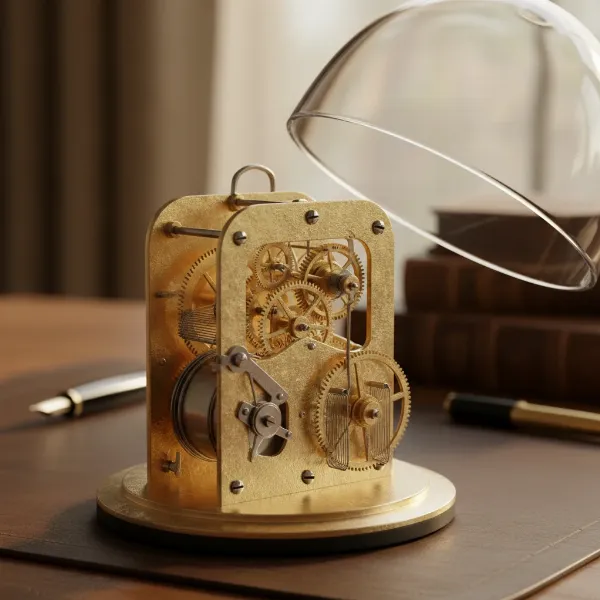 An intricate mechanical desk clock showcasing visible gears and components within its elegant casing, highlighting craftsmanship.
Digital Clocks
Digital desk clocks offer a contemporary approach to timekeeping, displaying time numerically on an LED or LCD screen. Their modern aesthetic and often compact designs make them a popular choice for offices, bedrooms, and minimalist spaces. These clocks integrate seamlessly into tech-forward environments, providing immediate and precise information.
- Advantages and Disadvantages: The primary advantage of digital clocks is their ease of readability, providing the exact time at a glance, which is particularly useful for children or those with vision impairments. Many models come packed with additional features such as alarms, timers, date displays, and even temperature or humidity readings. However, they typically rely on electricity or batteries and can be affected by power outages. Bright digital displays might also be distracting in dark environments like a bedroom.
- Smart Features: Modern digital clocks often include advanced functionalities. Some smart desk clocks offer Wi-Fi connectivity, allowing for automatic time synchronization, integration with smart home ecosystems (like Alexa or Google Assistant), and customizable display modes. Other features can include wireless charging pads for smartphones, multiple alarm settings, and adjustable brightness levels. Some even provide sleep tracking without requiring wearables.
- Popular Brands: Brands like DreamSky, JALL, and MOSITO offer a range of digital desk clocks with various features, from basic alarm functions to integrated wireless charging and environmental sensors. Luxury watchmakers like Cartier and Chopard also offer high-end digital desk clocks, often incorporating modern design with advanced timekeeping.
Alarm Clocks
While alarm clocks can be either mechanical or digital, their core function is to rouse you at a specific time, making them an indispensable tool for many. Their design and features are often tailored to optimize wake-up routines, blending practicality with personal comfort.
- Advantages and Disadvantages: The clear advantage of an alarm clock is its ability to ensure you start your day on schedule. Digital alarm clocks often provide multiple alarm settings, snooze functions, and varied alarm sounds, offering greater flexibility. Analog alarm clocks, while simpler, can offer a more gentle wake-up with a traditional bell sound, and their lack of a bright screen is often preferred by those sensitive to light during sleep. A common drawback for some digital alarms is a potentially loud or abrupt sound, while analog ones might lack advanced customization.
- Types of Alarm Tones: Alarm clocks come with a diverse range of alerts. Traditional mechanical alarms often feature a classic twin-bell ring, producing a loud, unmistakable sound. Digital alarms, on the other hand, can offer a selection of beeps, melodies, radio tunes, or even nature sounds. Advanced smart alarm clocks might include “sunrise simulation” lights that gradually brighten to gently wake you, mimicking natural daylight.
- Choosing the Right Alarm Clock: When selecting an alarm clock, consider its placement (bedside, office), your sensitivity to light and sound, and desired features. For light sleepers, an analog clock or a digital one with adjustable brightness and gentle wake-up lights might be ideal. Those needing a robust wake-up call might opt for a loud mechanical bell or a digital alarm with increasing volume.
Guide to Buying a Desk Clock
Selecting the perfect desk clock involves more than just picking a design you like. It requires a thoughtful evaluation of your practical needs, aesthetic preferences, and how the clock will integrate into your daily life and workspace. Making an informed decision ensures your new timepiece is both functional and a pleasing addition to your environment.
Determine Your Needs
Before browsing models, clarify what you expect from your desk clock. This foundational step will narrow down your options significantly, preventing decision paralysis.
- Purpose of Use: Are you primarily looking for a straightforward time-telling device, or do you need additional functionalities like an alarm, thermometer, or charging port? For basic timekeeping, a simple analog or digital clock suffices. If you’re using it in a busy home office, smart features might enhance productivity. For a bedside table, low light and a reliable alarm are key.
- Placement of the Clock: Consider where the clock will sit. A compact digital clock is ideal for small nightstands, while a more substantial mechanical piece might anchor a larger executive desk. The surrounding decor and available space should influence your size and style choices. A large display, for instance, might be beneficial if the clock is viewed from a distance.
- Budget: Desk clocks range widely in price, from budget-friendly digital models to luxurious mechanical masterpieces from esteemed watchmakers. Establish a realistic budget before you start shopping to focus on options within your financial comfort zone, ensuring you get the best value without overspending.
Choose the Right Clock Type
Once your needs are clear, focus on the specific attributes that define the clock. This includes its visual appeal, the materials it’s made from, and any special functions it offers.
- Style and Design: The clock’s style should complement your existing decor. Do you prefer the classic charm of a wooden analog clock, the sleek lines of a modern metal digital display, or perhaps a retro-inspired design? Consider colors, finishes, and overall form factor. A minimalist design might blend seamlessly into a modern office, while an ornate, vintage clock could be a focal point in a more traditional room.
- Material: Materials impact both the look and durability of a clock. Common options include wood, metal (like brass or stainless steel), plastic, and glass. High-quality materials such as solid wood or brushed metal can add a touch of sophistication and ensure the clock lasts for years. Plastic options are generally more affordable and lightweight, offering versatility in design.
- Features: Beyond basic time, what else do you need? Look for adjustable brightness, multiple alarm settings, date and temperature displays, USB charging ports, or smart home connectivity if these are important to you. Some clocks even offer unique features like projected time on a wall or word-based time displays.
Compare Prices and Purchase
After defining your preferences, the next step involves finding the best deal from reliable sources. Diligence here can lead to a satisfactory purchase that combines quality with good value.
- Search for Reputable Stores: Always purchase from reputable retailers, whether online or brick-and-mortar. This ensures product authenticity, reliable customer service, and valid warranties. Check reviews and ratings of both the product and the seller to gauge trustworthiness.
- Compare Prices: Don’t settle for the first price you see. Use online comparison tools or visit several stores to compare prices for your chosen models. Be mindful of shipping costs and return policies when buying online. Sometimes, a slightly higher price from a trusted seller offers better long-term value through superior support.
- Check Product Quality: If possible, inspect the product in person. Look for solid construction, clear displays, smoothly operating hands (for analog), and good finish quality. For online purchases, carefully read product descriptions and scrutinize customer photos for any signs of poor craftsmanship or material. A good quality clock should feel substantial and well-made.
Comparison Table of Desk Clock Models
Choosing between the myriad of desk clocks can be challenging. This table offers a quick comparison of various models, highlighting their key characteristics to help you make an informed decision.
| Brand | Model | Type | Advantages | Disadvantages | Estimated Price |
|---|---|---|---|---|---|
| Howard Miller | Christina Table Clock | Analog (Quartz) | Elegant design, precise quartz movement, durable brass finish | No additional features, classic aesthetic may not suit all modern decor | $150 – $250 |
| JALL | Wooden Digital Alarm | Digital | Clear LED display, multiple alarms, temperature/humidity sensor, wood aesthetic | Can be bright at night, power dependent | $30 – $60 |
| MOSITO | Digital Wooden Alarm | Digital | Wireless charging, adjustable brightness, sleek design | Alarm off mechanism can be tricky | $40 – $80 |
| Seiko | QXW225B | Analog (Quartz) | Classic, reliable, silent sweep second hand | Limited features, less modern aesthetic | $70 – $120 |
| Sharper Image | Light Up Word Clock | Digital | Unique word-based display, conversation starter, modern design | Can take a moment to read, specific aesthetic | $50 – $90 |
Tips for Using and Maintaining Your Desk Clock
Proper care ensures your desk clock remains a functional and beautiful fixture for years to come, regardless of whether it’s a mechanical marvel or a sleek digital device. Regular maintenance can prevent issues and preserve its aesthetic appeal and accuracy.
Proper Cleaning
Keeping your clock clean is essential, but the method depends on its type and materials. Haphazard cleaning can damage delicate mechanisms or finishes.
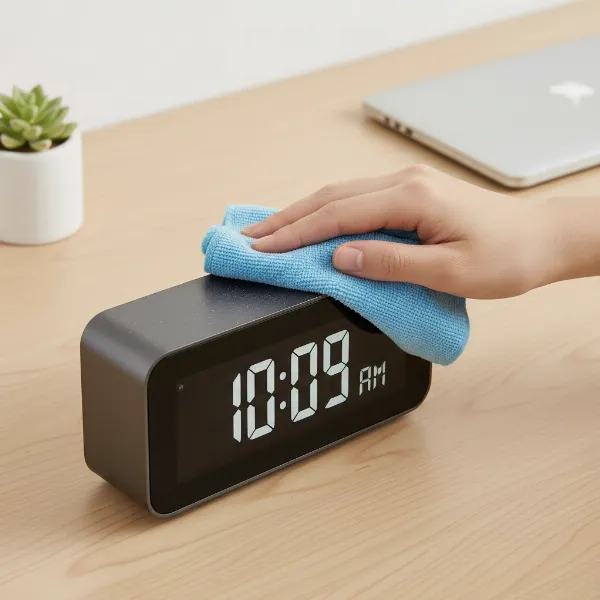
- Basic Cleaning Steps: For most clocks, a soft, dry microfiber cloth is sufficient for dusting. For analog clocks, gently wipe the face and hands, avoiding excessive pressure. For digital displays, use a slightly damp, soft cloth to clean the screen, ensuring no liquid seeps into crevices. Never spray cleaning solutions directly onto the clock.
- Using Appropriate Cleaning Solutions: For wooden clocks, a wood-specific cleaner or polish can be used sparingly with a soft cloth. Metal components can often be polished with a non-abrasive metal cleaner, but always test on an inconspicuous area first. Avoid harsh chemicals, ammonia-based cleaners, or abrasive materials, which can scratch surfaces or corrode finishes. For intricate mechanical clocks, professional cleaning is recommended every few years to maintain optimal function.
 A person gently dusting a classic wooden desk clock with a soft microfiber cloth, highlighting careful maintenance.
Storing Your Clock When Not in Use
If you need to store your desk clock, proper precautions are crucial to protect it from damage and environmental wear.
- Avoid Direct Sunlight: Prolonged exposure to direct sunlight can fade finishes, damage internal components, and dry out lubricants in mechanical clocks. If storing, choose a cool, dark place. For daily use, position your clock away from direct sunbeams.
- Prevent Damp and Humid Environments: Moisture can corrode metal parts, damage electronic components, and warp wooden casings. Store clocks in a dry environment with stable humidity. If you live in a particularly humid area, consider using a desiccant packet in the storage container.
- Secure Placement: Always place your clock on a stable, flat surface to prevent accidental falls. If storing, use protective packaging, such as bubble wrap or a padded box, to guard against bumps and impacts. Remove batteries from digital clocks if storing for an extended period to prevent leakage and corrosion.
“A desk clock is more than just a time-teller; it’s a silent companion that subtly influences your workspace and mood. The choice between analog and digital is deeply personal, reflecting whether you prioritize timeless artistry or modern convenience.” – Dr. Eleanor Vance, Chronometer Historian and Interior Design Consultant
Conclusion
The debate between desk clocks and analog clocks isn’t about one being inherently “better” than the other, but rather about which truly wins for your specific needs and aesthetic preferences. Analog clocks offer classic charm, a connection to traditional craftsmanship, and an elegant, often quiet, presence that enhances sophisticated decor. Digital clocks, conversely, excel in modern utility, providing instant readability, a host of smart features, and often compact designs suitable for tech-savvy environments. Both stand as strong contenders, with their own unique benefits and slight drawbacks, making the “real winner” a subjective choice that perfectly aligns with your personal style and functional demands. Which timepiece will you choose to grace your desk and punctuate your daily moments?
Frequently Asked Questions
What is the main difference between an analog desk clock and a digital desk clock?
The primary distinction lies in their display. An analog desk clock uses hands that move across a numbered dial to indicate time, offering a classic visual representation. A digital desk clock, on the other hand, displays time numerically on an electronic screen, providing precise figures at a glance.
Are analog desk clocks more accurate than digital ones?
Modern analog clocks, especially those with quartz movements, are highly accurate, often losing or gaining only a few seconds per month. Digital clocks, particularly those with atomic synchronization or Wi-Fi connectivity, are typically even more precise as they can automatically update to exact time signals.
Do mechanical desk clocks require batteries?
Traditional mechanical desk clocks do not require batteries; they are powered by a mainspring that needs to be wound manually or automatically. However, many modern analog desk clocks use quartz movements which are battery-operated for convenience and accuracy.
Can desk clocks offer smart home integration?
Yes, many contemporary digital desk clocks, often referred to as smart clocks, can integrate with smart home ecosystems like Amazon Alexa or Google Assistant. These clocks may offer voice control, automatic time synchronization, and other smart features, enhancing convenience in a connected home or office.
How do I maintain the appearance of a wooden desk clock?
To maintain a wooden desk clock, regularly dust it with a soft, dry cloth. For a deeper clean or to restore its luster, use a small amount of wood-specific cleaner or polish applied with a clean, soft cloth, ensuring you follow the product instructions carefully. Avoid harsh chemicals.