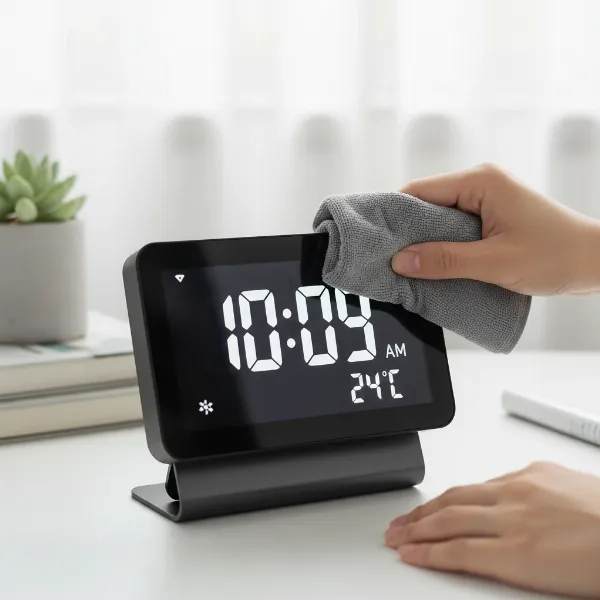
The right desk clock is more than a simple time teller; it’s a statement piece, a functional assistant, and an anchor in your daily routine. In a world saturated with digital devices, the dedicated desk clock still holds a unique charm, blending utility with aesthetics. Whether you seek to enhance productivity in your workspace, add a touch of elegance to your home office, or ensure timely wake-ups, selecting the perfect desk clock involves understanding its various types, features, and care. This honest analysis will navigate you through the diverse world of desk clocks, helping you discover the ideal timepiece that aligns with your needs and personal style.
Popular Types of Desk Clocks
Desk clocks come in a fascinating array of mechanisms and designs, each offering a distinct experience. From the intricate workings of a mechanical clock to the sleek efficiency of a digital display, understanding these variations is key to making an informed choice.
Mechanical Clocks
Mechanical clocks are marvels of traditional craftsmanship, operating through a complex system of wound springs, gears, and sometimes pendulums. These timepieces embody a classic elegance, often featuring ornate details and a visible movement that captivates enthusiasts. They run without electricity or batteries, relying purely on kinetic energy.
-
Pros and Cons
- Pros: Their primary appeal lies in their timeless aesthetic and the satisfying ritual of winding them. They often serve as decorative art pieces, adding a touch of vintage sophistication to any desk. The absence of digital displays can contribute to a more focused, screen-free environment.
- Cons: Mechanical clocks require regular winding to maintain accurate time, typically daily or weekly, which can be a commitment. They are also more susceptible to environmental factors like dust and humidity, necessitating professional servicing every few years to keep their intricate mechanisms running smoothly. Their delicate nature also means they are generally less robust than their electronic counterparts.
-
How they work and maintenance
Mechanical clocks function by releasing energy from a wound mainspring through a series of gears that regulate the movement of the hands. A pendulum or balance wheel ensures consistent timing. For optimal performance, mechanical clocks should be kept out of direct sunlight and away from moisture. If you plan to be away for an extended period, fully winding the clock before leaving helps maintain its mechanism. Professional servicing, including oiling and cleaning, is recommended every five to ten years to preserve their longevity and accuracy. -
Notable mechanical desk clock brands
While specific brands often vary, many luxury watchmakers and specialized clock manufacturers offer high-quality mechanical desk clocks known for their precision and artistry. These can include heritage brands renowned for their horological expertise.
|
Our Picks for the Best Desk clock in 2026
As an Amazon Associate I earn from qualifying purchases.
|
||
| Num | Product | Action |
|---|---|---|
| 1 | AYRELY® 4.5" Analog Alarm Clock,Small Retro Desk Clock Battery Operated,Slient Metal Table Clock with Light for Living Room Decor,Bedroom,Bedside,Shelf (Orange-Yellow) |

|
| 2 | Netzu 3-in-1 Digital Clocks for Living Room with Temperature, Date & Time Display - 4 Levels Birghtness, 3 Volumes, Small & Compact Plug-in Alarm Clock for Bedroom, Office (Black) |
|
| 3 | Clock with Day and Date for Elderly, 7" Large Display Digital Calendar Day Clock with 20 Custom Alarms and Medicine Reminders, Dimmable Dementia Alzheimers Clocks for Seniors, Black (Ac Powered) |
|
| 4 | DreamSky Digital Alarm Clocks for Bedrooms - Wooden Desk Clock with Date, Day of Week, USB Port, Temperature, Dimmer for Bedside Table, Living Room, Office, Adjustable Volume, Auto DST, Wood Decor |
|
| 5 | Peakeep Slim Digital Mirror Aesthetic Alarm Clock for Bedrooms Desk Decor - Plug in Electric Big LED Modern Small Clock for Office Living Room, Battery Backup, 6 Dimmers (Gold) |
|
| 6 | Amazon Basics Small Digital Oval Alarm Clock with LED Display, Nightlight, Snooze Function & Battery Backup, Black, 4.5 x 3.5 x 2.4 Inches |
|
| 7 | Sharp Digital Alarm Clock with Keyboard Style Controls, Battery Back-up, Easy to Use with Simple Operation, Black Case with Red LED Display |
|
| 8 | Peakeep Large Display Digital Alarm Clock for Bedrooms, Date Day of Week Calendar Desk Table Clocks for Living Room Office, Dimmable Plug in Electric Clock, 5 Volumes, Loud, Auto DST |
|
| 9 | DreamSky Wooden Digital Alarm Clock for Bedroom - Desk Clock for Living Room with Large Numbers, Dimmer, Loud Alarm for Heavy Sleepers with Volume Control, DST, Office Wood Decor (Plug in Clock) |
|
| 10 | AYRELY® 4.5" Analog Alarm Clock,Small Retro Desk Clock Battery Operated,Slient Metal Table Clock with Light for Living Room Decor,Bedroom,Bedside,Shelf (Blue) |
|
Digital Clocks
Digital desk clocks offer a modern, often minimalist approach to timekeeping, displaying the hour, minute, and sometimes seconds using numeric readouts, typically via LED or LCD screens. They are a staple in contemporary spaces, providing clear, instant information.
-
Pros and Cons
- Pros: One of their biggest advantages is clarity; digital displays are usually easy to read at a glance, often with adjustable brightness settings. Many digital clocks are packed with smart features like multiple alarms, temperature and humidity displays, calendars, and even USB charging ports or wireless charging pads for smartphones. They are generally low-maintenance, requiring only a power source (battery or AC).
- Cons: While highly functional, digital clocks may lack the classic aesthetic appeal of mechanical or analog models. A power disruption can render them inaccurate unless they are equipped with a battery backup. Their electronic nature can also make them feel less “personal” to some users.
-
Smart features
Modern digital desk clocks frequently integrate features beyond basic timekeeping. These can include:- Multi-functional displays: Showing date, day of the week, and room temperature.
- Connectivity: USB ports for charging devices, or built-in Qi wireless charging for compatible smartphones.
- Adjustability: Customizable brightness levels and alarm volumes, providing a personalized user experience.
- Auto-setting: Some models can automatically set the time upon plugging in, though manual time zone adjustments might be needed.
-
Popular digital desk clock brands
Brands such as JALL, MOSITO, DreamSky, and USCCE are frequently mentioned for their feature-rich and aesthetically pleasing digital desk clocks, often incorporating modern designs and practical functionalities like wireless charging and adjustable displays.
Alarm Clocks
Alarm clocks, whether analog or digital, are designed with the primary function of waking you up or reminding you of important tasks. They are an essential desk accessory, particularly for bedrooms or busy workspaces.
-
Pros and Cons
- Pros: Their core benefit is reliability in punctuality. Many modern alarm clocks offer diverse alarm sounds, snooze functions, and features like gradual volume increase or “sunrise” light simulations for a gentler wake-up. Some analog alarm clocks feature silent hands, ensuring no distracting ticking noises during quiet hours.
- Cons: Basic models might have limited alarm options or an abrupt, jarring sound. Some can be challenging to operate in a sleepy state, especially those with complex button sequences to turn off the alarm. Battery reliance is also a factor for many models.
-
Types of alarm sounds
Alarm clocks offer a spectrum of auditory experiences, from traditional beeps and buzzes to nature sounds (like bird chirps), radio, or even custom music. Some innovative models combine light and sound, gradually brightening the room before the audible alarm to mimic a natural sunrise, aiding in a more pleasant awakening. -
Choosing an alarm clock suitable for your needs
When selecting an alarm clock, consider your waking habits. Deep sleepers might benefit from loud, persistent alarms or vibrating models, while those who prefer a more serene start to the day might opt for gentle light-based alarms. Features like snooze duration, adjustable volume, and backup power are also crucial considerations.
Desk Clock Buying Guide
Choosing the right desk clock requires a thoughtful assessment of your personal needs, aesthetic preferences, and practical considerations. It’s about finding a timepiece that seamlessly integrates into your daily life and decor.
Determine Your Needs
Before diving into the myriad of options, clarify what you expect from your desk clock. This foundational step will significantly narrow your search.
-
Purpose of use
Are you looking for a straightforward time-teller, a decorative accent, or a functional tool with extra features? For an office, you might prioritize a clear display and smart features. For a bedside table, silent operation and a gentle alarm might be paramount. -
Placement of the clock
Consider where the clock will sit. A large mantelpiece might accommodate a grander, more ornate clock, while a compact desk requires a smaller footprint. Measure the available space to ensure the clock fits comfortably without overwhelming the area. -
Budget
Desk clocks come in a wide price range. While many functional and stylish options are available between $10 and $50, premium mechanical or designer clocks can cost significantly more. Set a realistic budget to guide your choices.
Choose the Right Type of Clock
Once your needs are defined, selecting the appropriate type of clock becomes easier. This involves matching the clock’s characteristics with your lifestyle and decor.
-
Style
The style of your desk clock should complement its surroundings.- Traditional/Vintage: Look for clocks with classic faces, Roman numerals, wood finishes, or ornate brass accents.
- Modern/Minimalist: Opt for sleek lines, metallic frames, bold colors, or understated designs with simple dots or dashes instead of numbers.
- Rustic/Farmhouse: Natural wood, distressed finishes, or earthy tones will fit well.
Matching the clock’s style with your room’s theme ensures a cohesive and appealing look.
-
Material
The material of a desk clock impacts both its durability and its aesthetic contribution.- Wood: Offers warmth and traditional elegance.
- Metal (chrome, brass, steel): Provides a sleek, modern, or industrial vibe.
- Glass/Crystal: Exudes luxury and works well in formal settings.
- Plastic/Acrylic: Ideal for playful, casual setups or children’s rooms, often more budget-friendly.
High-quality materials with fine craftsmanship generally indicate better durability and a more refined appearance.
-
Features
Beyond telling time, consider additional functionalities that enhance convenience or utility.- Alarms: Essential for wake-ups or reminders.
- Temperature/Humidity display: Useful for monitoring your indoor environment.
- Calendar: For quick date checks.
- USB charging ports/Wireless charging: Convenient for powering your devices.
- Backlighting/Adjustable brightness: Important for visibility in different lighting conditions.
- Silent movement: Crucial for quiet spaces like bedrooms or studies.
Compare Prices and Purchase
Smart shopping ensures you get the best value for your chosen desk clock.
-
Find reputable stores
Purchase from established retailers, online stores with good reviews, or specialized clock shops. Reputable sellers often provide better product descriptions, customer support, and return policies. -
Compare prices
Even for similar models, prices can vary. Use online comparison tools or visit several stores to ensure you’re getting a competitive deal. Look for sales or discounts, especially around holidays. -
Check product quality
Before finalizing your purchase, read reviews about the product’s build quality, accuracy, and longevity. For physical purchases, examine the materials, finish, and overall construction. A clock should feel sturdy and well-made.
Desk Clock Comparison Table
| Brand/Type (Example) | Model (Example) | Pros | Cons | Estimated Price |
|---|---|---|---|---|
| Mechanical | Howard Miller Kensington | Classic aesthetic, no batteries, collectible | Requires winding, higher maintenance, can be noisy | $150 – $500+ |
| Digital | MOSITO Wooden Smart | Wireless charging, multiple alarms, adjustable brightness | Alarm off mechanism can be tricky, needs power outlet | $30 – $80 |
| Analog Quartz | JALL Silent Analog | Silent operation, classic look, battery-powered | Basic features, battery replacement needed | $20 – $50 |
| Alarm Clock | DreamSky Digital LED | Large display, USB charging, battery backup | Auto-set may need time zone adjustment, basic design | $25 – $60 |
Tips for Using and Maintaining Your Desk Clock
Proper care and maintenance are crucial for extending the lifespan and preserving the beauty of your desk clock, ensuring it continues to tell time accurately for years to come.
Proper Clock Cleaning
Regular cleaning prevents dust buildup and maintains the clock’s appearance without causing damage.
-
Basic cleaning steps
Always begin by gently dusting the clock with a soft, dry microfibre or cotton cloth. This removes loose debris without scratching the surface. Avoid using harsh chemicals or abrasive cleaners, which can damage finishes. -
Using suitable cleaning solutions
For glass components, spray a quality, non-ammonia glass cleaner onto a soft cloth first, then gently wipe the glass. Never spray cleaner directly onto the clock, as liquid can seep into the mechanism. For brass parts, use only a soft, dry cotton cloth; avoid polish or abrasive cleaners that can damage the delicate finish. If your clock has a wooden case, use a wood cleaner or restorer applied to a soft cloth, not directly to the wood.
Storing Your Clock When Not in Use
If you need to store your desk clock, especially delicate or valuable pieces, proper precautions are essential to protect them from damage.
-
Avoid direct sunlight
Prolonged exposure to direct sunlight can fade finishes, warp wooden cases, and degrade internal components. Store clocks in a cool, dark place. -
Avoid humid places
High humidity can lead to rust on metal parts and swelling of wooden elements. Store clocks in a dry environment to prevent moisture damage. Basements or attics with fluctuating temperatures and humidity are generally unsuitable. -
Place clock in a safe location
When storing quartz clocks, always remove the batteries to prevent leakage, which can cause significant damage to the internal circuitry. For mechanical clocks, ensure they are fully wound or that the mechanism is secured according to manufacturer instructions. Store clocks on a stable surface, protected from accidental knocks or falls. If moving a clock with a pendulum, ensure the pendulum is removed or secured to prevent damage.
“A well-chosen desk clock is more than just a timepiece; it’s a statement that reflects your style and personality, adding character to any space.”
Conclusion
The humble desk clock remains a powerful blend of form and function, offering more than just the time of day. From the captivating mechanics of traditional models to the multi-functional convenience of modern digital designs, there’s a perfect desk clock waiting to complement every individual’s needs and aesthetic. By considering factors like purpose, style, material, and features, and committing to proper maintenance, you can select a timepiece that not only enhances your environment but also stands the test of time. What kind of desk clock will define your space?
Frequently Asked Questions
What is the primary difference between a mechanical and a quartz desk clock?
A mechanical desk clock operates using a wound spring and gears, requiring manual winding and professional maintenance. A quartz desk clock, on the other hand, relies on a battery and a vibrating quartz crystal for highly accurate, low-maintenance timekeeping, often featuring silent operation.
Can desk clocks help improve productivity?
Yes, a dedicated desk clock can help improve productivity by providing clear, immediate time checks without the distractions of a smartphone. It encourages better time management, helps in adhering to schedules, and can contribute to a more focused workspace free from digital interruptions.
How often should a mechanical desk clock be serviced?
For optimal performance and longevity, a mechanical desk clock should typically be oiled by a professional every two to three years and undergo a thorough cleaning and servicing every five to ten years. In humid or salty environments, more frequent servicing may be necessary.
Are digital desk clocks always battery-powered?
Not always. Many digital desk clocks are primarily powered by an AC adapter and plug into a wall outlet. However, most also include a battery backup feature to maintain timekeeping during power outages or when unplugged, ensuring the alarm functions correctly.
What materials are best for a durable desk clock?
For durability, metal (like steel or brass) and solid wood are excellent choices. These materials offer robust construction and can withstand general wear and tear. Glass and crystal provide elegance but may require more careful handling to prevent breakage.
Is it important for a desk clock to have a silent movement?
For many, a silent movement is crucial, especially if the clock is in a bedroom, study, or office where quiet is preferred. Analog clocks with “sweep” movements or most digital clocks are typically silent, avoiding the distracting ticking sound associated with some mechanical or quartz analog models.
How do I choose a desk clock that matches my home decor?
Consider the dominant style and materials in your room. For a modern space, sleek metal or minimalist designs work well. A traditional room might benefit from wood or ornate brass. For rustic decor, natural wood finishes are ideal. Harmonizing the clock’s style, material, and color with your existing decor creates a cohesive look.