In a world where time seems to accelerate, managing our schedules and staying punctual is more crucial than ever. While our smartphones often double as our primary timekeepers, a dedicated desk clock offers more than just a glance at the hour; it can be a statement piece, a source of focused utility, and a subtle anchor in a busy day. But with so many options, from vintage mechanical marvels to sleek digital displays, the question remains: is investing in a desk clock truly worth it, and which one is right for you? This comprehensive guide will explore the diverse world of desk clocks, helping you navigate their types, features, and maintenance to find the perfect timepiece that aligns with your needs and personal style.
Popular Types of Desk Clocks
Desk clocks come in a variety of forms, each offering a distinct blend of aesthetics, functionality, and technology. Understanding these differences is key to making an informed choice.
Mechanical Clocks
Mechanical desk clocks, often referred to as traditional or analog clocks, embody a timeless elegance and a connection to horological craftsmanship. These clocks operate using intricate gears, springs, and balances, driven by manual winding or battery-powered quartz movements that simulate the classic hand movement. Their visual appeal often lies in their classic designs, ranging from ornate antique reproductions to minimalist modern interpretations with sweeping second hands.
- Advantages and Disadvantages: A significant advantage of mechanical clocks is their aesthetic and sentimental value; they add a touch of sophistication and history to any space. Many models do not rely on electricity, making them reliable during power outages. However, traditional mechanical clocks can be less accurate than their digital counterparts and may require regular winding. Quartz-driven analog clocks offer better accuracy with less maintenance but lack the intricate charm of pure mechanical movements.
- How They Work and Maintenance: True mechanical clocks require manual winding to tension their mainspring, which then slowly unwinds to power the movement. Quartz analog clocks, on the other hand, use a battery to send electrical impulses through a quartz crystal, creating precise oscillations that drive the hands. Maintenance for mechanical clocks can involve periodic cleaning and oiling by a specialist, while quartz models typically only need battery replacement.
- Notable Characteristics: These clocks are ideal for those who appreciate classic design, the quiet (or sometimes subtly ticking) operation, and a decor piece that stands the test of time. Materials often include brass, wood, and glass, contributing to their durable and premium feel.
|
Our Picks for the Best Desk clock in 2026
As an Amazon Associate I earn from qualifying purchases.
|
||
| Num | Product | Action |
|---|---|---|
| 1 | DreamSky Digital Alarm Clocks for Bedrooms - Wooden Desk Clock with Date, Day of Week, USB Port, Temperature, Dimmer for Bedside Table, Living Room, Office, Adjustable Volume, Auto DST, Wood Decor |

|
| 2 | AYRELY® 4.5" Analog Alarm Clock,Small Retro Desk Clock Battery Operated,Slient Metal Table Clock with Light for Living Room Decor,Bedroom,Bedside,Shelf (Orange-Yellow) |
|
| 3 | Peakeep Slim Digital Mirror Aesthetic Alarm Clock for Bedrooms Desk Decor - Plug in Electric Big LED Modern Small Clock for Office Living Room, Battery Backup, 6 Dimmers (Gold) |
|
| 4 | DreamSky Wooden Digital Alarm Clock for Bedroom - Desk Clock for Living Room with Large Numbers, Dimmer, Loud Alarm for Heavy Sleepers with Volume Control, DST, Office Wood Decor (Plug in Clock) |
|
| 5 | Clock with Day and Date for Elderly, 7" Large Display Digital Calendar Day Clock with 20 Custom Alarms and Medicine Reminders, Dimmable Dementia Alzheimers Clocks for Seniors, Black (Ac Powered) |
|
| 6 | Netzu 3-in-1 Digital Clocks for Living Room with Temperature, Date & Time Display - 4 Levels Birghtness, 3 Volumes, Small & Compact Plug-in Alarm Clock for Bedroom, Office (Black) |
|
| 7 | Amazon Basics Small Digital Oval Alarm Clock with LED Display, Nightlight, Snooze Function & Battery Backup, Black, 4.5 x 3.5 x 2.4 Inches |
|
| 8 | Peakeep Large Display Digital Alarm Clock for Bedrooms, Date Day of Week Calendar Desk Table Clocks for Living Room Office, Dimmable Plug in Electric Clock, 5 Volumes, Loud, Auto DST |
|
| 9 | AYRELY® 4.5" Analog Alarm Clock,Small Retro Desk Clock Battery Operated,Slient Metal Table Clock with Light for Living Room Decor,Bedroom,Bedside,Shelf (Blue) |
|
| 10 | Sharp Digital Alarm Clock with Keyboard Style Controls, Battery Back-up, Easy to Use with Simple Operation, Black Case with Red LED Display |
|
Digital Clocks
Digital desk clocks represent the modern evolution of timekeeping, prioritizing precision, functionality, and contemporary design. They display time using electronic screens, typically LED or LCD, and are powered by electricity, often with battery backups. Digital clocks are celebrated for their accuracy, frequently synchronizing with atomic time sources and automatically adjusting for daylight saving.
- Advantages and Disadvantages: The primary benefits of digital clocks include their pinpoint accuracy, clear readability (especially with illuminated displays), and a plethora of advanced features. They are generally low-maintenance, requiring little more than a stable power source. A drawback can be their reliance on electricity; while many have battery backups for settings, they often need to be plugged in for continuous operation, which can limit placement options.
- Smart Features: Modern digital clocks often go beyond simple time display. Many include multiple alarm settings, snooze functions, and even dual alarms for different schedules. Value-added features commonly found are temperature and humidity displays, calendars, and even USB charging ports for mobile devices. Some advanced models integrate with smart home systems, offering voice control or app-based management. Displays can range from basic LED numbers to more elaborate IPS Nixie tube simulations, offering both retro and futuristic aesthetics.
- Popular Types and Trends: The market offers a vast array of digital desk clocks, from sleek minimalist designs that blend seamlessly into modern offices to large-display models designed for maximum visibility in larger rooms or for individuals with visual impairments. Trends include clocks with customizable display colors, auto-dimming features, and built-in night lights, enhancing both utility and ambiance.
[image-1|digital-desk-clock-features|A modern digital desk clock displaying time, temperature, and date with a sleek design.|
A close-up shot of a modern digital desk clock, showcasing its illuminated LED display clearly showing the time, temperature, and date. The clock has a minimalist design with a black finish and stands on a contemporary desk alongside a subtle green plant, emphasizing functionality and modern aesthetics. Soft, natural light illuminates the scene from the left.]
Alarm Clocks
While alarm functionality is common in both mechanical and digital desk clocks, some models are specifically designed with robust alarm features as their primary purpose. These clocks are essential for anyone who needs a reliable wake-up call or timely reminders throughout the day.
- Advantages and Disadvantages: The main advantage of a dedicated alarm clock is its reliability and often user-friendly alarm setting interface, ensuring you wake up when you need to. They are a practical tool for daily routines. Some traditional alarm clocks, however, can be quite loud or have limited alarm customization, while more advanced digital versions offer greater flexibility but might come with a higher price tag.
- Types of Alarm Tones: Alarm clocks vary significantly in their auditory output. Traditional mechanical alarms might offer a classic bell ring, while digital clocks can feature a range of sounds from gentle beeps and melodies to nature sounds and even gradual wake-up light simulations. Progressive alarms, which slowly increase in volume or light intensity, are a popular feature designed for a more pleasant awakening.
- Choosing the Right Alarm Clock: When selecting an alarm clock, consider not only the type of alarm sound but also the ease of setting and silencing it. Features like snooze duration, multiple alarm settings for weekdays and weekends, and battery backup (to ensure the alarm still goes off during a power outage) are important considerations for practicality and peace of mind.
Desk Clock Buying Guide
Choosing the ideal desk clock requires a thoughtful assessment of your personal needs, aesthetic preferences, and practical considerations.
Determine Usage Needs
Before diving into models and features, clarify what you expect from your desk clock.
- Purpose: Are you simply looking for a time display, or do you need additional functionality like an alarm, temperature readings, or even a charging station for your devices? Some clocks serve purely as decorative elements, while others are indispensable tools for productivity.
- Placement: Where will the clock reside? A small, subtle clock might be perfect for a cluttered desk, while a large, bold design could complement an expansive executive desk or a communal office area. Consider the lighting conditions of the space; an illuminated digital display is better for low-light areas, while an analog clock with clear numerals works well in brighter environments.
- Budget: Desk clocks span a wide price range. Basic digital models can be very affordable, while high-end mechanical pieces or smart clocks with advanced features can represent a significant investment. Define your budget early to narrow down your options effectively.
[image-2|desk-clock-placement-considerations|A stylish wooden desk clock placed on a neat home office desk with natural light.|
An eye-level shot of a sleek, rectangular wooden desk clock with a subtle digital display, positioned on a tidy oak desk in a home office. Sunlight streams in from a nearby window, casting a soft glow on the clock and a few minimalist office accessories, emphasizing the clock’s role in a functional and aesthetically pleasing workspace.]
Choose the Right Type of Clock
Once your needs are clear, selecting the clock type becomes easier.
- Style: Do you prefer the classic, enduring appeal of an analog clock with Roman numerals and a brass finish, or the clean, futuristic lines of a digital display? Your clock should complement your existing decor, whether it’s a modern, minimalist workspace, a traditional study, or a vibrant creative studio.
- Material: Materials greatly influence a clock’s longevity and aesthetic. Wood offers natural warmth, metal (like brass or aluminum) provides durability and a premium feel, while plastic allows for lightweight, contemporary designs. Consider how the material will age and how it fits with other elements on your desk.
- Features: Beyond basic timekeeping, evaluate which additional features genuinely add value for you. Do you need multiple alarms, a thermometer, a hygrometer, or even a USB charging port? Prioritize features that will enhance your daily routine without creating unnecessary complexity.
Compare Prices and Purchase
Smart shopping ensures you get the best value for your chosen desk clock.
- Find Reputable Stores: Purchase from established retailers or trusted online platforms that offer product warranties and clear return policies. Specialist clock stores can provide expert advice and a wider selection of unique or high-end models.
- Compare Prices: Research prices across different vendors. Online comparison tools can be very helpful for this. Be aware that prices can fluctuate, especially for popular models or during sales events.
- Check Product Quality: Before finalizing your purchase, read customer reviews and look for indications of build quality. For analog clocks, check the movement of the hands; for digital, assess display clarity and button responsiveness. A well-made clock will offer reliable timekeeping and durability.
Comparison Table of Desk Clock Models
To help illustrate the diversity in desk clocks, here’s a comparative overview of typical models based on common characteristics.
| Brand/Type | Model/Style | Advantages | Disadvantages | Estimated Price Range |
|---|---|---|---|---|
| Classic Analog | Heritage Desk Clock | Timeless aesthetic, durable materials, often battery-operated. | Less precise than digital, limited features, can tick loudly. | $50 – $200+ |
| Modern Digital | Smart LED Display | High accuracy, multiple features (temp, alarm, USB), sleek design. | Relies on power outlet, settings may reset without backup. | $30 – $150 |
| Mechanical Wind-Up | Traditional Gear Clock | Authentic craftsmanship, no electricity needed, unique appeal. | Requires regular winding, less accurate, higher maintenance. | $100 – $500+ |
| Multifunction Smart | Integrated Hub Clock | Extensive features (Bluetooth speaker, wireless charging, app control). | Higher price point, can be overly complex for some users. | $80 – $300 |
| Minimalist Aesthetic | Clean Line Quartz | Subtle design, quiet operation, accurate timekeeping. | Basic features only, may blend in too much. | $25 – $100 |
Tips for Using and Maintaining Desk Clocks
Proper care ensures your desk clock remains a functional and attractive fixture for years to come.
Proper Cleaning
Regular and gentle cleaning will keep your clock looking its best.
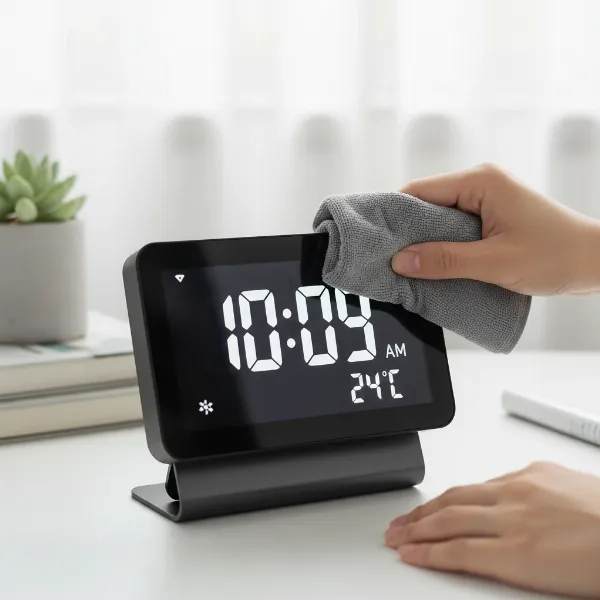
- Basic Cleaning Steps: For most desk clocks, a soft, dry, lint-free cloth is sufficient for dusting. For glass faces or digital screens, a slightly damp cloth with water or a mild, non-abrasive cleaner (specifically for electronics, if applicable) can be used, ensuring no liquid seeps into the clock’s mechanism.
- Using Appropriate Cleaning Solutions: Avoid harsh chemicals, abrasive cleaners, or sprays directly on the clock, especially for wooden or metal finishes, as these can cause damage or discoloration. For intricate mechanical parts, it’s best to consult a professional or refer to the manufacturer’s specific cleaning instructions.
Storing Clocks When Not in Use
If you need to store your desk clock, particularly for extended periods, follow these guidelines.
- Avoid Direct Sunlight: Prolonged exposure to direct sunlight can fade finishes, crack wooden casings, and degrade digital displays over time. Store clocks in a cool, dark place.
- Avoid Humid Environments: High humidity can cause corrosion in mechanical parts and affect electronic components. Keep clocks in a dry environment to prevent damage.
- Place in a Safe Location: Store clocks in a secure spot where they won’t be easily knocked over or damaged. For battery-operated clocks, remove batteries during long-term storage to prevent leakage and potential damage to the battery compartment.
Conclusion
Ultimately, the decision to purchase a desk clock boils down to more than just telling time. It’s about enhancing your workspace, reflecting your personal style, and providing a reliable, tangible anchor in your daily routine. Whether you choose a classic mechanical piece for its timeless charm or a modern digital clock for its advanced functionality, a well-selected desk clock offers aesthetic pleasure, practical utility, and a subtle reminder to manage your most precious resource. By considering your needs, exploring the diverse types available, and committing to simple maintenance, you can find a desk clock that is not only worth buying but truly becomes an indispensable part of your environment. What role will a desk clock play in shaping your ideal workspace?
Frequently Asked Questions
Why should I choose a desk clock over my smartphone for timekeeping?
A dedicated desk clock offers a distraction-free way to check the time, preventing you from getting sidetracked by notifications on your phone. It can also serve as a stylish decorative element, enhancing the aesthetics of your workspace and providing a consistent, reliable time display without needing to be charged daily like a phone.
Are mechanical desk clocks more accurate than digital ones?
Generally, digital desk clocks are more accurate than mechanical ones. Digital clocks often synchronize with atomic time and adjust automatically for daylight saving, ensuring precise timekeeping down to the second. Traditional mechanical clocks, while charming, can gain or lose a few minutes over time and may require more frequent adjustments.
What smart features should I look for in a modern desk clock?
Modern desk clocks can come with a variety of smart features. Look for multiple alarm settings, snooze functions, temperature and humidity displays, USB charging ports for devices, and even Bluetooth connectivity for audio streaming. Some advanced models offer app control or integration with smart home ecosystems.
How do I choose the right size and style of desk clock for my space?
Consider the size of your desk and the overall aesthetic of your room. A large desk might accommodate a more substantial clock, while a smaller space benefits from a compact design. Match the clock’s style (e.g., minimalist, vintage, industrial) and material (wood, metal, plastic) to your existing decor for a cohesive look.
Can desk clocks help with productivity?
Yes, a desk clock can contribute to productivity by providing a constant, visible reminder of the time, helping you stay on schedule and manage tasks more efficiently. It allows for quick time checks without the distractions associated with picking up a smartphone, encouraging better focus and time management.
Do all digital desk clocks require a power outlet, or are there battery-only options?
Most digital desk clocks operate primarily with a power adapter, as their illuminated displays and advanced features consume more power than batteries can sustain long-term. However, many models include a small backup battery to retain time settings during power outages, ensuring you don’t have to reset the clock manually when power is restored.
How often do I need to clean my desk clock?
The frequency of cleaning depends on the clock’s environment. For most desk clocks, a light dusting once a week or every two weeks should suffice to keep it free of dust and debris. If the clock is in a particularly dusty area, more frequent cleaning may be necessary to maintain its appearance and functionality.